
Best Shopping Streets to Explore in East Tokyo
Best Shopping Streets to Explore in East Tokyo
Nestled on the eastern side of Tokyo, Koto Ward is a captivating district where the old meets the new, offering an authentic glimpse into local Tokyo life. Known for its charming shotengai (traditional shopping streets), this area blends retro atmosphere, traditional flavours, and a welcoming community spirit that is hard to find in the city’s more commercial districts, making it one of the best shopping streets to explore in East Tokyo for local cultural experiences.
A passionate foodie can indulge in local delicacies, a culture enthusiast can uncover traces of Edo-period heritage, and a curious traveller can experience daily life away from the tourist crowds. Koto Ward’s vibrant shopping streets deliver a perfect balance of tradition and modernity. From century-old sweet shops to family-run eateries and quirky general stores, these arcades reveal the heart of Tokyo, offering authentic, warm, and full of hidden surprises at every turn.
If you noticed, I did not include the over-commercialised places like Takeshita Street in Harajuku, Shibuya, Shinjuku, Ueno and other over-famous places. This is because those places are now no longer authentic, and many shops have evolved to cater only to tourists. My list here focuses more on the local Japanese shopping streets, which are still a charm to explore.
1. Kameido Katori Katsuun Shopping Street (Katori Daimon Street Association)
As Koto Ward’s oldest shopping street, Kameido Katori Katsuun Street has deep roots dating back to the Meiji period. Originally part of the approach to Katori Shrine, it was beautifully renovated and reopened in spring 2011. Today, it features a nostalgic 1950s theme and is a favourite spot for visitors seeking a retro, photo-worthy Tokyo vibe.

2. Sunamachi Ginza Shopping Street
One of Japan’s most famous local shopping areas, Sunamachi Ginza, is perfect for sampling classic Tokyo street food. From oden ingredients and bento snacks to kimono and household items, it offers a glimpse into the heart of shitamachi (downtown) culture. Don’t miss the “Baka-Nichi Market” on the 10th of each month for unbeatable deals.
3. Kindness Fukagawa Goriyaku Street (Fukagawa Fudoson Shopping District)
Located just outside Monzen-Nakacho Station, this 150-meter Nakamise-style street leads directly to Fukagawa Fudo-do. With about 40 shops—including traditional confectioners, sweet sake sellers, and Kyoto-style pickle vendors—this street comes alive during monthly festival days on the 1st, 15th, and 28th.
4. Takahashi no Raku Road (Takahashi Shopping Street)
Famous for Norakuro, the dog-soldier character by manga legend Suiho Tagawa, this street celebrates local culture and comic history. Themed events, vibrant murals, and character installations make it especially fun for families. Visit on weekends to enjoy a vehicle-free, festive atmosphere.
5. Morishita Shopping Street
This historic street boasts restaurants that have been serving Tokyoites for over a century. Loved by foodies and celebrities alike, it’s a hub for regional Japanese cuisine. Visit during the annual Morning Glory Market (late June to early July), and look out for the Edo-style firefighter “Matoi” sculpture at the intersection.

6. Fukagawa Shiryokan Dori Shotengai
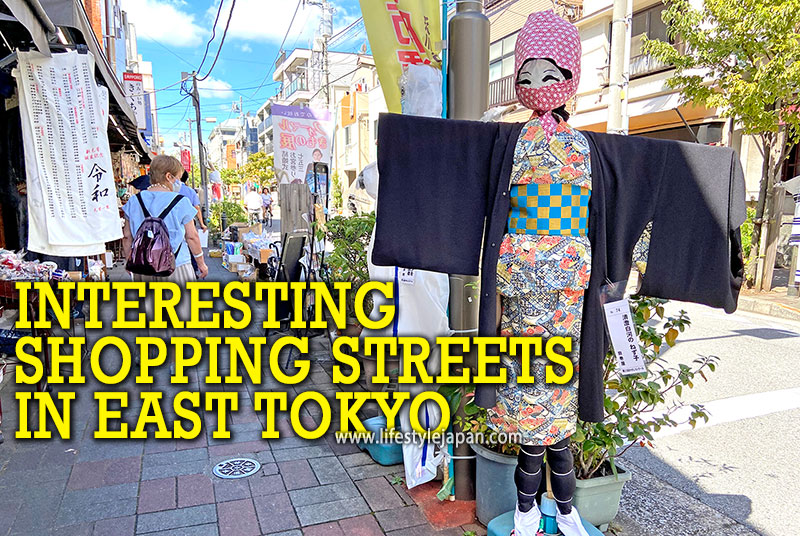
Stretching 800 meters and lined with nearly 100 stores, this shopping street sits between the Fukagawa Edo Museum and Kiyosumi Garden. With seasonal events like the September Scarecrow Contest and proximity to the Museum of Contemporary Art Tokyo, it’s ideal for combining shopping with culture.
7. Fukagawa Nakacho Shopping Street
Buzzing with life since the Edo period, this area still maintains its vibrant spirit. On the 1st, 15th, and 28th of every month, the street swells with visitors during the Fukagawa Festival. Over 130 shops span groceries, household goods, and more along Eitai Street.
8. Botancho Shopping Street (Botancho Shoeikai)
Nestled beside the Oyokogawa River near Fukagawa Fudo-do and Tomioka Hachiman-gu Shrine, this peaceful street is a hidden gem. Seasonal blooms, especially spring peonies and cherry blossoms, create a picturesque backdrop for browsing local shops and cafes.
9. Kameido Tenjin Street Shopping District
Running along Kuramaebashi-dori, this lively street fronts the approach to Kameido Tenjin Shrine. During festivals like the iconic Wisteria Festival in May, the area overflows with visitors enjoying Japanese sweets, senbei, manju, kuzumochi, and Tenjin-themed souvenirs.

10. Kameido Jusangen-dori Shopping Street
A bustling commercial hub along Meiji-dori north of Kameido Station, this street becomes a pedestrian-only zone on Sundays, which is a great time to visit. A mix of old-school establishments and trendy new shops attracts weekend crowds of locals and tourists alike.
11. Kameido 5-chome Chuo Dori Shotengai
Located north of Kameido Station, this 660-meter-long street has a charming neighbourhood feel. During the annual Koinobori Festival in May, the sky fills with colourful carp streamers. It’s also gaining popularity as a small-scale Chinatown with growing cultural diversity.
12. Gonohashi Toyokuni Street Shopping District
South of Kameido Station, this 250-meter shopping street features the beautifully landscaped “Toyokuni III Goto-tei-en” Japanese garden. Named after ukiyo-e artist Utagawa Toyokuni III, who lived nearby, the area hosts traditional events and is a quiet spot to enjoy Edo-period artistry.

13. Ojima Nakanohashi Shopping Street
This place is also known as Sunroad Nakanohashi Shopping Street and is lined with about 100 shops selling fresh produce, seafood, and local delicacies. This “kitchen of the town” runs north from Shin-Ohashi Street. It’s pedestrian-only from 3 PM to 8 PM, making it ideal for relaxed browsing. The “Bikkuri Market” held on the 8th of each month is a lively highlight.
14. Toyosu Shopping Street (Toyosu Chamber of Commerce)
Right outside Toyosu Station, this shopping street supports the modern residential community with events like the Halloween Parade, Toyosu Carnival, and Toyosu Watercolour Festival. With around 50 restaurants and retail outlets, it’s a daily destination for locals and visitors alike.

Best Time to Visit the Shopping Streets in Tokyo
I’ve noticed in Google reviews that many travellers leave negative reviews simply because they arrived late, around 5 pm, and many of the shops were closed or closing, which is not the retailer’s fault. From what I see, it’s the tourists’ fault for not doing their homework, or they did not read the timing carefully.
And for me, the best time to visit any of the Tokyo shopping streets would be in the late mornings, around 11.00 AM to noon, as that is when most of the shops are open. You can visit after lunch, but make sure you do it before 3-4 PM. Additionally, you should check if there is a Japanese holiday, as this may occasionally affect the shopping street.
For Photography Tours in Japan
Join me on customised photography tours and fun photo walks through Kyoto, Osaka, and Tokyo, designed for beginners and even smartphone photographers. With David Photography Tours, you’ll explore hidden gems, capture authentic moments, and enjoy a personal small-group experience. Check my other website regularly and bookmark it for upcoming tour updates.
Conclusion
If you are a traveller and shopping street lover seeking nostalgic flavours, hidden gems, or vibrant local culture, Koto Ward’s shopping streets deliver a rich slice of authentic Tokyo. From retro alleyways to bustling community hubs, each shotengai tells a story that blends history, food, festivals, and local charm. For travellers looking to go beyond the usual tourist paths, these are the best shopping streets to explore in East Tokyo.


